Supercars: The Intersection of Art, Technology, and Speed
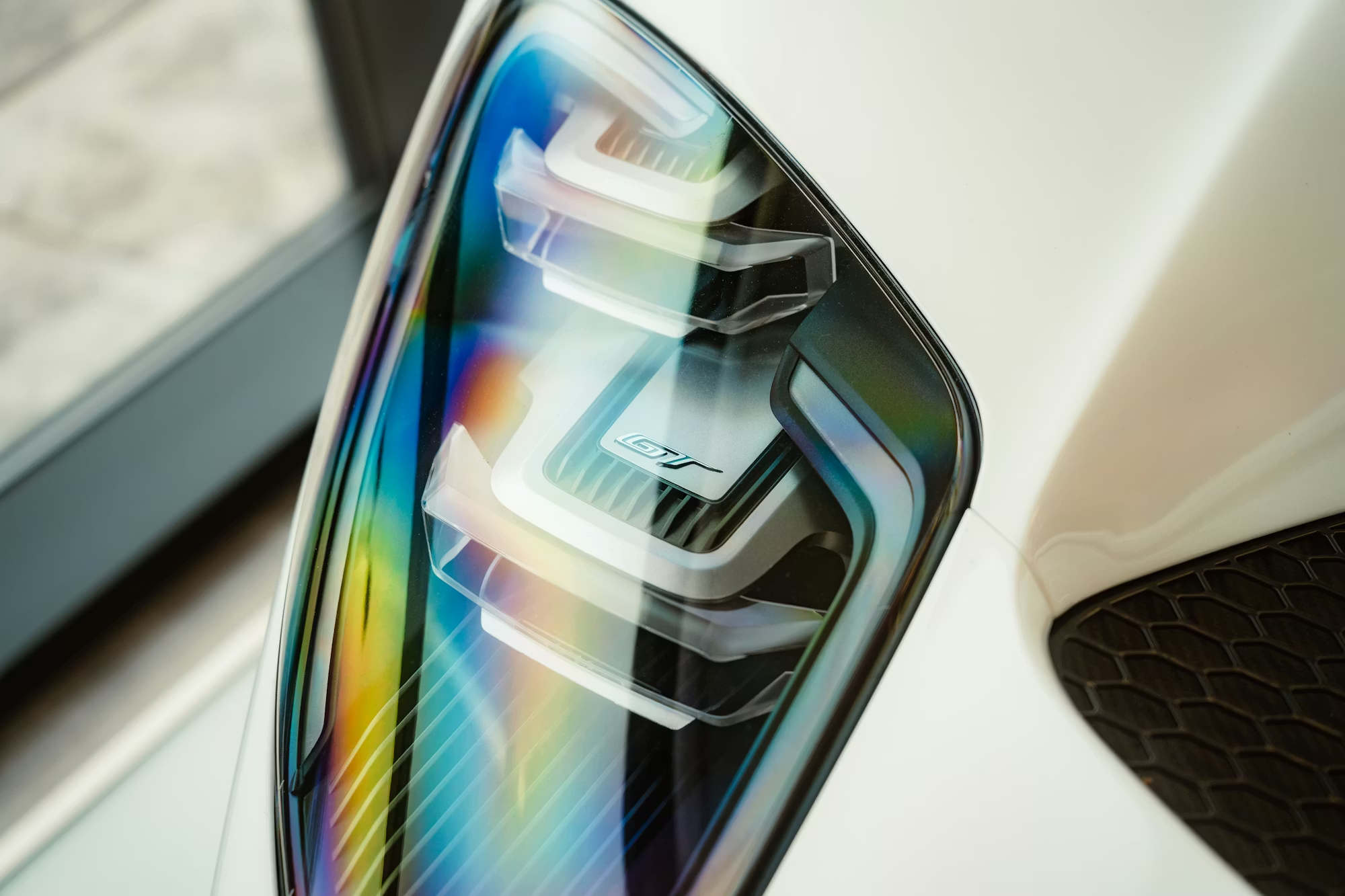
Supercars have become synonymous with performance, luxury, and cutting-edge technology. These extraordinary machines not only represent the pinnacle of automotive engineering but also serve as works of art that captivate enthusiasts and casual admirers alike. This article delves into the unique characteristics of supercars, their evolution, and their cultural significance, illustrating how they continue to inspire passion and innovation in the automotive world.
The Artistic Expression of Supercars
At first glance, supercars command attention with their stunning aesthetics. Each model is designed to be visually striking, often reflecting the personality of its brand. Manufacturers like Lamborghini and Ferrari are renowned for their bold designs, characterized by aggressive lines and aerodynamic forms. The Lamborghini Huracán, for example, boasts sharp angles and a low profile that exudes speed even when standing still. Its design is a testament to the brand’s commitment to performance and innovation.
Ferrari, known for its racing heritage, embodies elegance with a sporty edge. The Ferrari 488 GTB showcases smooth curves that enhance its aerodynamic efficiency while maintaining a classic Ferrari silhouette. This balance of form and function is crucial in supercar design, where every line and contour is meticulously crafted to optimize performance.
The artistic expression of supercars extends beyond mere aesthetics. The interiors of these vehicles are often outfitted with luxurious materials, cutting-edge technology, and ergonomically designed features that enhance the driving experience. High-quality leather, carbon fiber accents, and customizable options create an environment that reflects the exclusivity of the brand, inviting drivers to indulge in both comfort and performance.
The Technological Marvels Behind Supercars
Technological innovation is at the heart of supercar development. Manufacturers invest heavily in research and development to push the boundaries of what is possible. The McLaren P1, for instance, is a remarkable example of hybrid technology combined with exceptional performance. With a 3.8-liter twin-turbo V8 engine paired with an electric motor, the P1 delivers an astounding 903 horsepower while maintaining efficiency that sets it apart from traditional supercars.
Another prime example is the Bugatti Chiron, which features an 8.0-liter quad-turbocharged W16 engine, producing an incredible 1,479 horsepower. The Chiron’s engineering prowess enables it to reach a top speed of 261 mph, making it one of the fastest production cars in history. Bugatti’s attention to detail in engineering and performance ensures that every element of the Chiron contributes to an exhilarating driving experience.
Moreover, the integration of advanced technology goes beyond just power and speed. Many supercars now include features such as adaptive suspension systems, dynamic aerodynamics, and advanced infotainment systems. The Aston Martin Valkyrie, for instance, employs cutting-edge technology to provide a truly immersive driving experience, allowing drivers to connect with their vehicle in unprecedented ways.
Evolution of Supercars: A Journey Through Time
The history of supercars is rich and varied, with roots tracing back to the mid-20th century. The introduction of models like the Ferrari 250 GTO in the early 1960s marked a significant milestone in automotive history. This model combined powerful performance with exquisite design, setting a benchmark for future supercars. Only 39 units were produced, making it one of the most sought-after collector’s items in the automotive world.
The 1980s brought forth a new wave of supercars, with the Lamborghini Countach capturing the essence of the decade. Its distinctive wedge shape and scissor doors became iconic, making it a symbol of 1980s excess and style. The Countach’s performance and design set the stage for future models, influencing the aesthetics of supercars for years to come.
The 1990s saw the emergence of the McLaren F1, a car that revolutionized the concept of the supercar. With a central driving position and a lightweight carbon fiber chassis, the F1 became the fastest production car of its time, achieving speeds of 240 mph. Its engineering excellence and attention to detail established a new standard in performance and design, influencing countless models in the years that followed.
The Cultural Impact of Supercars
Supercars have transcended their role as mere vehicles to become cultural icons. They frequently appear in films, music videos, and popular media, capturing the imagination of audiences worldwide. The Fast and Furious franchise, for instance, has played a pivotal role in popularizing supercars, introducing them to new generations and embedding them in contemporary culture.
Car enthusiasts often gather at events like the Goodwood Festival of Speed and the Pebble Beach Concours d’Elegance, where supercars take center stage. These events provide a platform for manufacturers to showcase their latest models while allowing fans to engage with their favorite brands. The sense of community fostered at these gatherings underscores the passion that surrounds supercars, creating connections between people who share a common love for high-performance vehicles.
The Future of Supercars: Innovation and Sustainability
As the automotive landscape evolves, supercars are adapting to meet new challenges and expectations. Sustainability is becoming an increasingly important focus for manufacturers, prompting innovations in hybrid and electric technologies. The Porsche Taycan, for example, represents a significant step toward an electrified future, offering exhilarating performance while reducing environmental impact.
Moreover, the Lotus Evija showcases how electric power can deliver unprecedented performance. With 2,000 horsepower and a focus on lightweight design, the Evija proves that electric supercars can rival their gasoline counterparts in both speed and thrill. This shift towards sustainability reflects a broader trend within the automotive industry, where performance and eco-friendliness can coexist harmoniously.
Conclusion: A Legacy of Passion and Performance
Supercars continue to captivate the hearts and minds of enthusiasts, representing the pinnacle of automotive engineering and design. Their unique combination of artistic expression, technological innovation, and cultural significance ensures that they will remain relevant for years to come. Whether admired on the road or celebrated at prestigious events, supercars evoke passion and inspire awe, making them timeless icons of the automotive world. As we look to the future, one thing is certain: the allure of supercars will endure, igniting the dreams of automotive enthusiasts for generations to come.